
Does professional real estate media actually help homes sell faster?
- Apr 20
- 4 min read
Updated: Jul 7

A VHT Studios analysis of more than 200,000 listings found that homes with professional photography spend an average of 89 days on market, versus 123 days for those without. That's 34 fewer days sitting unsold, carrying costs, and competing for attention. For most sellers, the photography decision is made almost reflexively, often based on what the listing agent uses. The data suggests it deserves more thought than that. Real estate media is the product | Buyers decide in seconds. According to NAR's 2024 Profile of Home Buyers and Sellers, 41% of buyers identify photos as the most valuable content on a listing, more than detailed property descriptions, neighborhood data, or virtual tours. Every single buyer uses the internet as part of their home search. The filtering process is almost entirely visual and occurs before a buyer contacts an agent, requests a showing, or visits in person.
The average buyer spends eight weeks searching, narrows their list to nine homes, and visits only four. That means five of the nine never get a showing, not because of price or location, but because they didn't hold attention long enough to make the cut. Poor photography is the most common reason.
Professional real estate media fixes this at the top of the funnel. Listings with professional photos generate 118% more online views than those with standard images. More views mean more inquiries, more scheduled showings, and more competition, which is exactly what drives price and compresses time on market.
The numbers, plainly stated
The speed data gets the most attention, but the price data is harder to ignore. Listings with professional photography command a 47% higher asking price per square foot. Across the full data set, homes with professional photos close between $934 and $116,076 higher than comparable listings without them, a range that reflects the spread across price points, not cherry-picked outliers.
The upfront cost of professional real estate photography typically runs $150–$300. The ROI is not complicated.
Part of what's happening is perception: buyers who see a well-photographed home assign it more value before they've visited. Part of it is mechanical, more views generate more competition, and competition drives price. The two effects compound.
Most listings aren't doing this, which creates an opening
Despite the evidence, only 35% of agents currently use professional photographers. Nearly two-thirds of active listings are competing against professionally photographed homes with subpar imagery.
For sellers, this is a straightforward competitive edge. In a market where buyers do genuine research before scheduling a visit, professional photography is one of the few listing variables entirely within a seller's control. Price and location are constrained by reality. Presentation isn't.
This matters more when inventory is rising. When buyers have fewer homes to consider, almost anything sells. When they have more, listings that don't make an immediate impression get skipped. Photography is the difference between being considered and being passed over before a buyer ever reads your description.
Beyond stills: where the performance gains are largest
Professional photography is the baseline. The data on supplementary media is worth understanding, because the gaps are larger than most sellers expect.
Video adds the most raw volume, listings with video receive 403% more inquiries than those without. A well-produced walkthrough does something photos can't: it shows scale, sequence, and flow. A buyer can understand a floor plan from stills, but they feel the size of a space through video.
Aerial and drone photography accelerates sales by 68% compared to listings without it. This matters most for properties where the land, setting, or relationship to the surrounding environment is part of the value, acreage, corner lots, views, homes where outdoor space is a genuine selling point. Some production companies, including Reelty, bundle stills, drone, and video into a single all-inclusive package, which removes the vendor coordination that tends to slow listing prep.
Virtual tours matter more than the industry anticipated. Research shows 63% of buyers made an offer on a home without visiting it in person. For out-of-area buyers, a comprehensive virtual tour functions as the first showing. Properties with virtual tours receive nearly twice the engagement of those without.
Each of these deliverables now has a deeper 2026 breakdown on this blog: the Charlotte real estate photography pricing guide, the FAA rules and ROI behind drone photography, the data on whether listing videos sell homes faster, and the virtual staging vs. traditional staging math.
The series has since grown: Are 3D Home Tours Worth It? covers the interactive tour data, Should You Sell Your House Now or Wait? answers the timing question honestly, and AI Is Changing How Buyers Find Homes covers where search itself is headed.
What to do before you list
Pull current days-on-market data for your zip code on Zillow or Redfin before you price. Then look at what's sitting longest, the photography correlation tends to be obvious. Book photography before the home is fully ready, not after. Good scheduling takes lead time; last-minute shoots produce last-minute results.
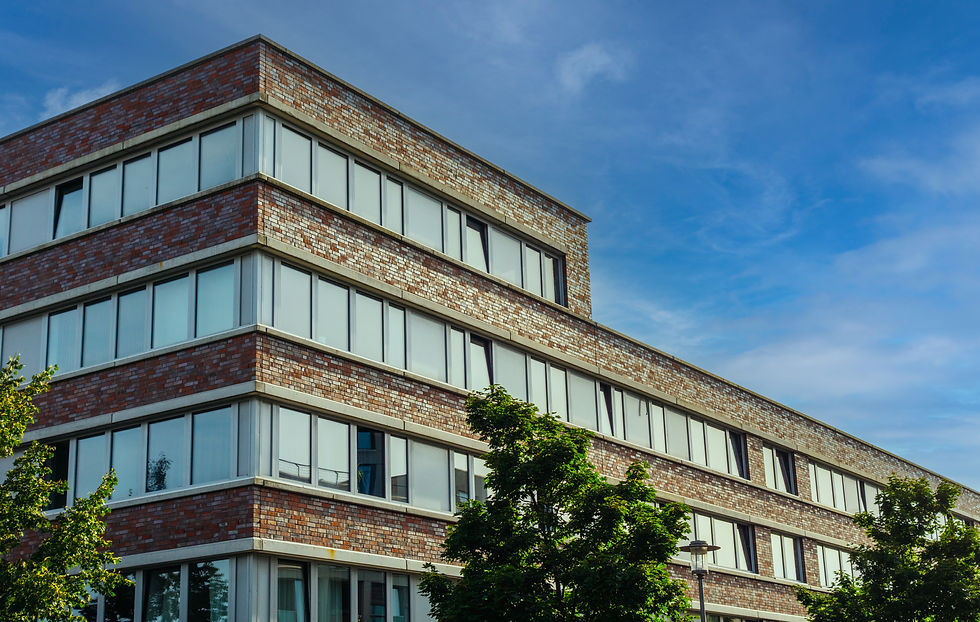
Don't underinvest in the exterior. The primary listing photo is almost always an exterior shot, it's the first thing a buyer sees and the image that determines whether they click through. Schedule the shoot when your exterior gets favorable light. If your property has outdoor space, a view, acreage, or any setting that ground-level photography can't communicate, add aerial coverage. The 68% speed premium on drone listings reflects what aerial photography provides that nothing else can: context, scale, and setting.
If you're preparing to list, see what professional photography, video, and drone coverage looks like as a single package at goreelty.com.


Comments